Efficiency in bus routes is crucial for any type of organisation, whether it’s a school, a day centre, a company, or a public transport system. Improving efficiency involves not only reducing costs but also enhancing punctuality, optimising resource usage, and increasing traveller satisfaction.
Here are
five different strategies to improve the efficiency of bus routes.
1.Data Analysis and Route Optimisation
Data analysis is a necessary strategy, though unfortunately not commonly used, to optimise bus routes. By collecting and analysing historical data on travel times, traffic patterns, and high-demand stops, you can identify areas for improvement. This strategy may involve using route analysis software that simulates different scenarios and proposes more efficient routes. This approach applies to companies looking to optimise routes for their employees or to public transport systems where traffic conditions can vary significantly throughout the day.
2. Preventive Maintenance and Fleet Management
The efficiency of bus routes also depends on the condition of the vehicles. Implementing a regular preventive maintenance programme ensures that buses remain in optimal condition, reducing the likelihood of unexpected breakdowns while on route.
Fleet management, which includes monitoring the performance of each vehicle and tracking fuel consumption,
can identify inefficiencies and optimise the use of each bus. This is crucial not only for school routes but also for public and corporate transport, where vehicle availability and reliability are essential.
3. Flexibility and Adaptability in Routes
In some cases, efficiency is not just about optimising a fixed route, but
being able to adapt to changing circumstances. Implementing flexible routes that can adjust based on demand or specific conditions, such as weather or special events, can improve overall efficiency. For instance, public transport systems can benefit greatly from routes that adjust in real-time based on passenger demand or traffic conditions.
4. Use of Technology and Management Software such as BatOnRoute
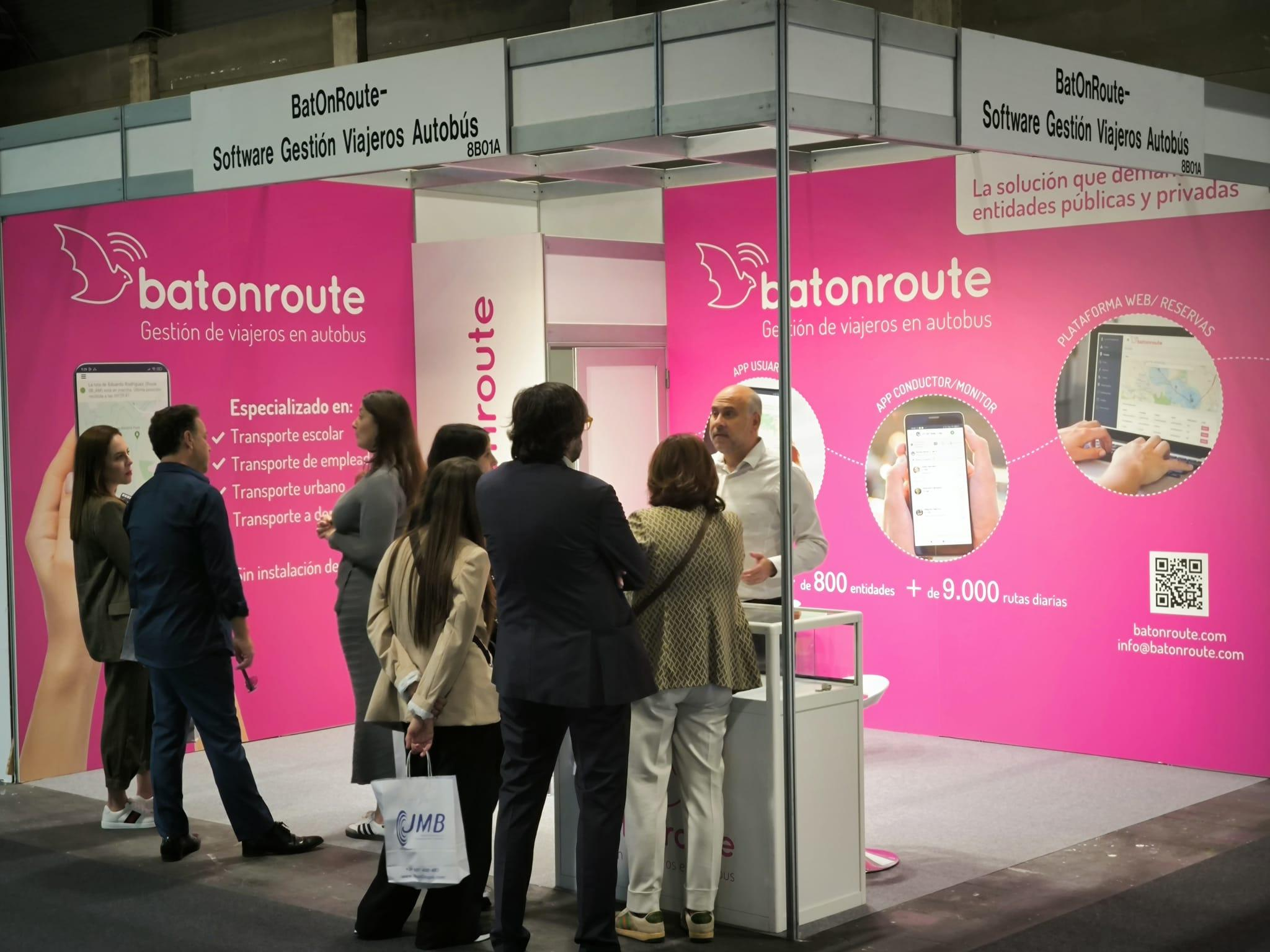
Using advanced technology is one of the most effective ways to improve the efficiency of bus routes. Management software such as
BatOnRoute allows for real-time planning, monitoring, and optimisation of routes, ensuring that buses follow the most efficient and safest routes possible. BatOnRoute also integrates real-time vehicle tracking, enabling communication with drivers and giving administrators the ability to make immediate adjustments if needed. This technology is especially useful in environments where precision and reliability are critical, such as school or corporate transport.
5. Implementation of Driver Incentive Programs
Driver behaviour directly impacts the efficiency of bus routes. Implementing incentive programmes for drivers that
promote efficient driving can lead to more effective fuel use and reduced travel times. These programmes may include rewards for fuel savings, improved punctuality, or minimising downtime. This strategy is applicable in all contexts, from public transport to corporate bus routes, and helps motivate drivers to maintain high standards of efficiency.
Improving the efficiency of bus routes requires a comprehensive approach that combines data analysis, preventive maintenance, adaptability, the use of advanced technology, and proper driver motivation. Whether managing routes for a school, a company, a day centre, or a public transport system, these five strategies will help
optimise your operations and ensure a more efficient and reliable service. Implementing solutions like
BatOnRoute and other innovative approaches can make a significant difference in the quality and efficiency of your bus routes.
Request information
Last news
*Imagen de portada Diseñada por Freepik